 Mt Kenya
Mount Kenya Climbing: 5 Days Sirimon Route
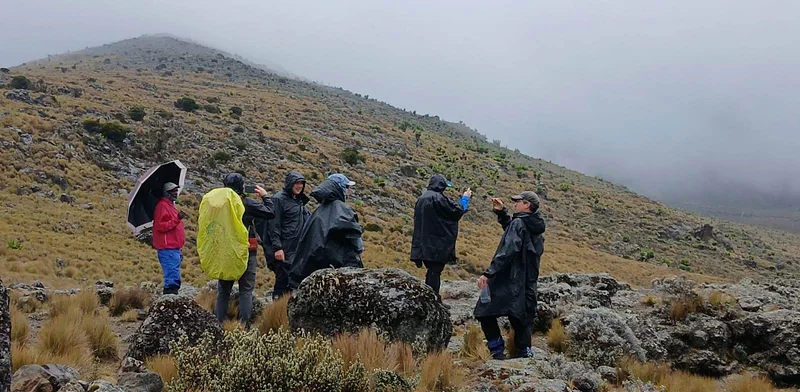
A gradual trek through Liki and Mackinder valleys to Shipton's Camp and a sunrise summit of Point Lenana.
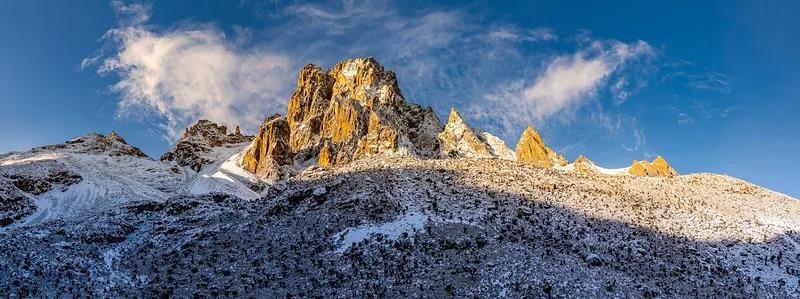
Mount Kenya climbing is what we do best. At 5,199 m, Mount Kenya is Africa's second-highest mountain and the best place for mountain climbing in Kenya, with everything from multi-day treks to serious rock routes. Our founder has guided on these trails since 2005, and every climb is run by our own team of guides, porters and cooks.
Most people come for Mount Kenya hiking: a four- to six-day trek to Point Lenana (4,985 m), the trekking summit, which needs no technical skills, just good fitness and time to acclimatise. Experienced climbers can go further, to Nelion (5,188 m) and the true summit, Batian (5,199 m), with a qualified climbing guide.
Mt KenyaA gradual trek through Liki and Mackinder valleys to Shipton's Camp and a sunrise summit of Point Lenana.
 Mt Kenya
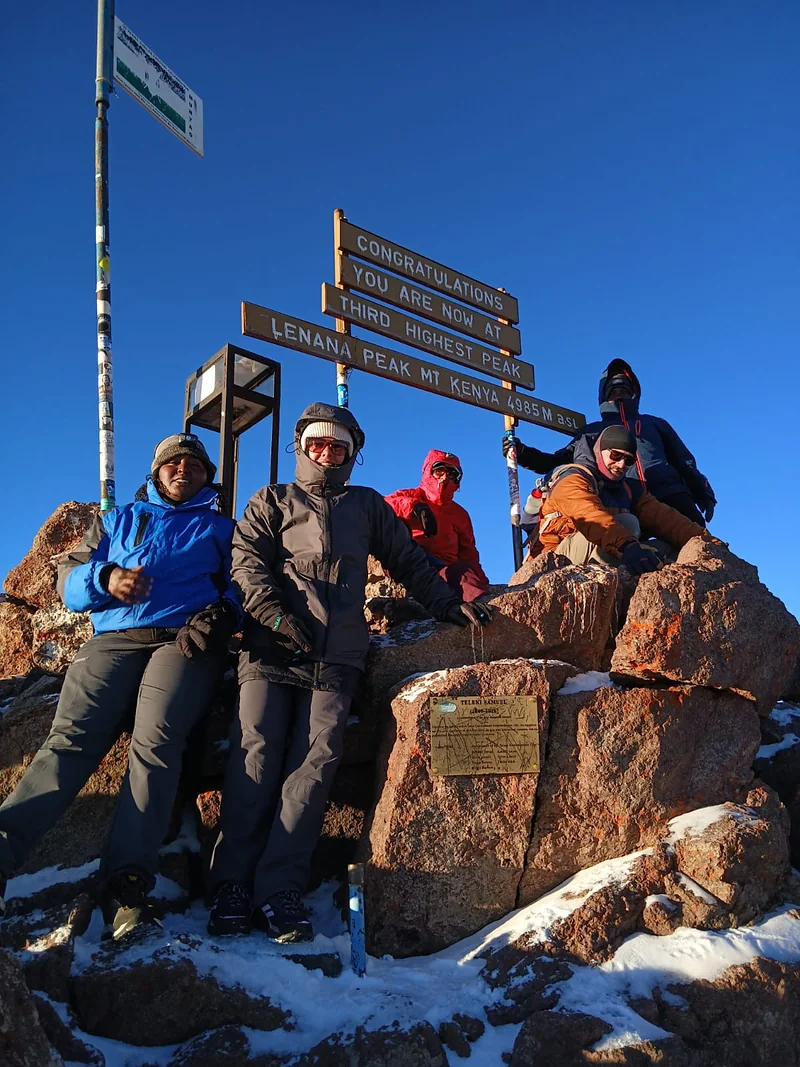
Up the gentle Sirimon route, over Point Lenana at dawn and down the direct Naro Moru trail.
 Mt Kenya
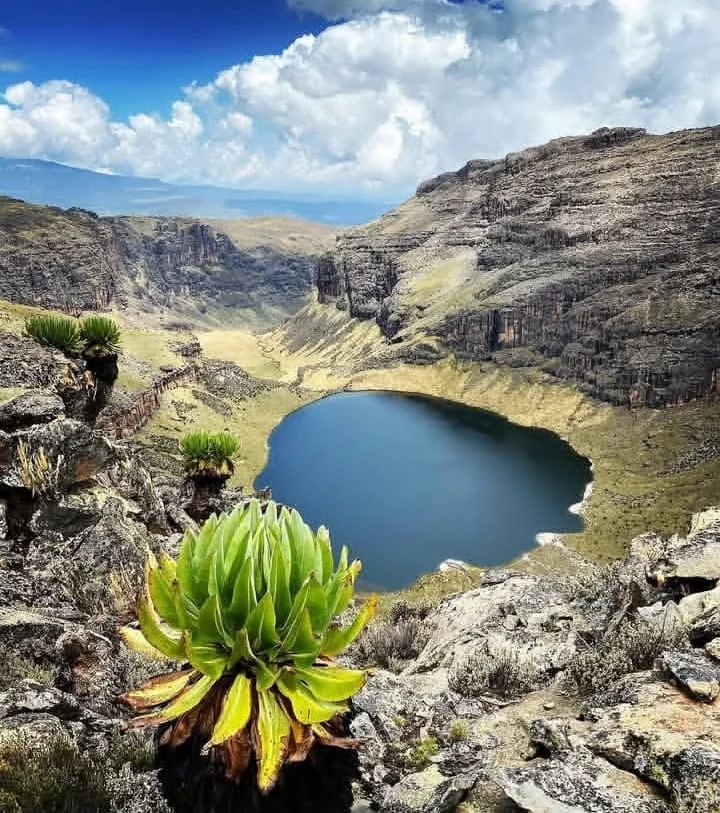
Our favourite traverse: the Sirimon route up and the spectacular Chogoria route down, past tarns and gorges.
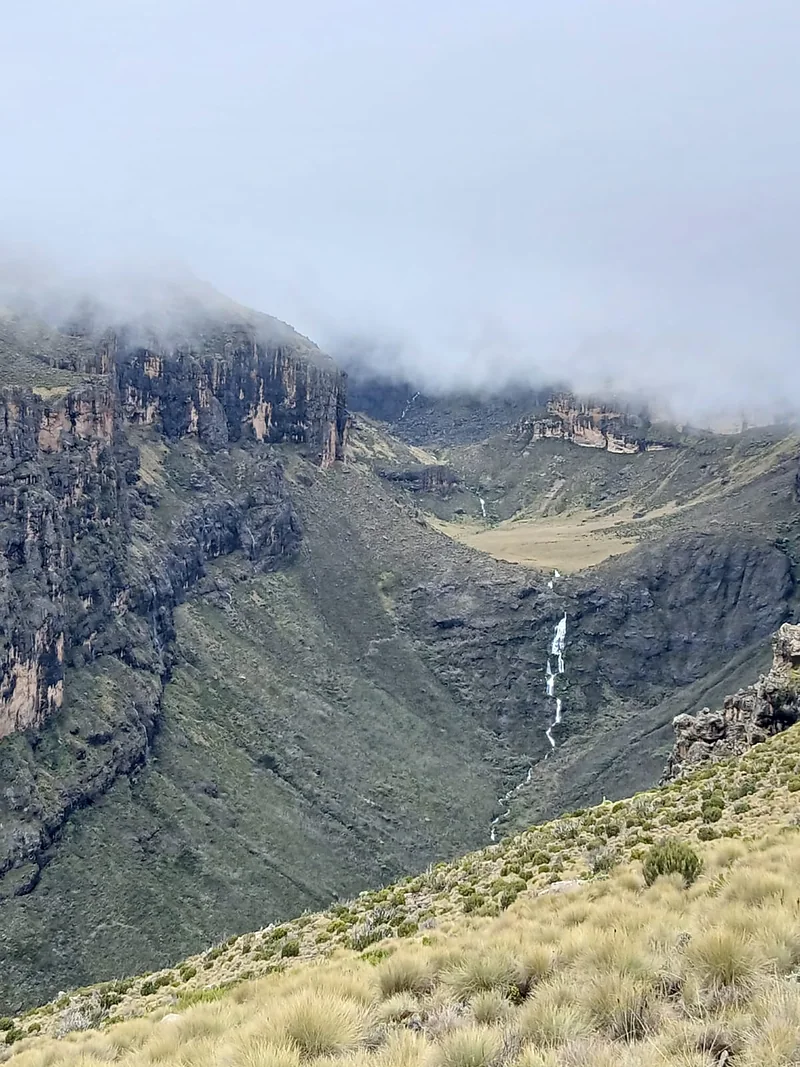 Mt Kenya
Six days on the mountain, climbing the scenic Chogoria side and descending Sirimon, with time to acclimatise.
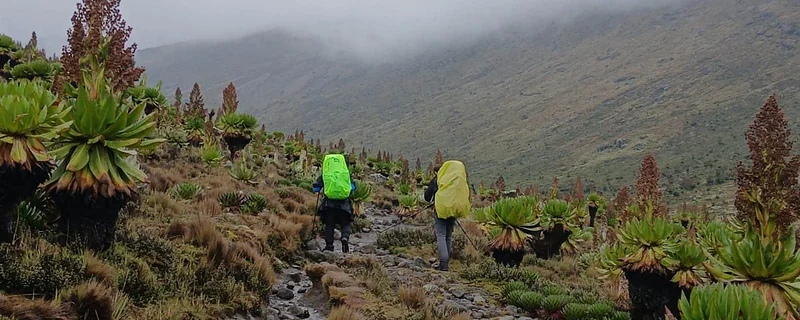 Mt Kenya
A wild, little-used trail to Point Lenana, followed by a full traverse down the Chogoria route.
Mt KenyaAn 8-day technical ascent of Batian, Mount Kenya's true summit, via the classic North Face standard route.
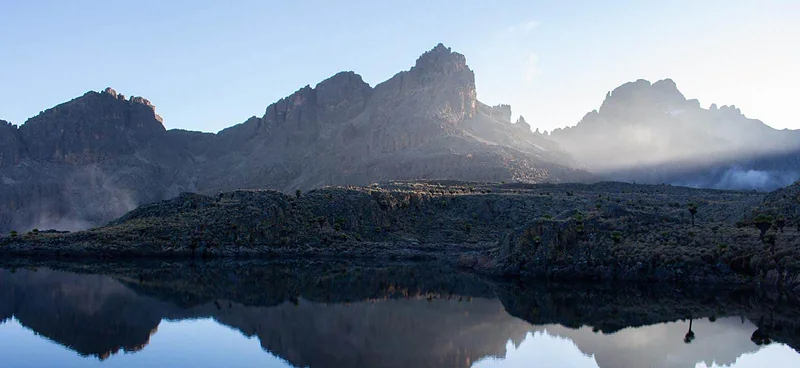 Mt Kenya
The standard technical route up Nelion, Mount Kenya's second summit: a long day of scrambling and rock pitches.
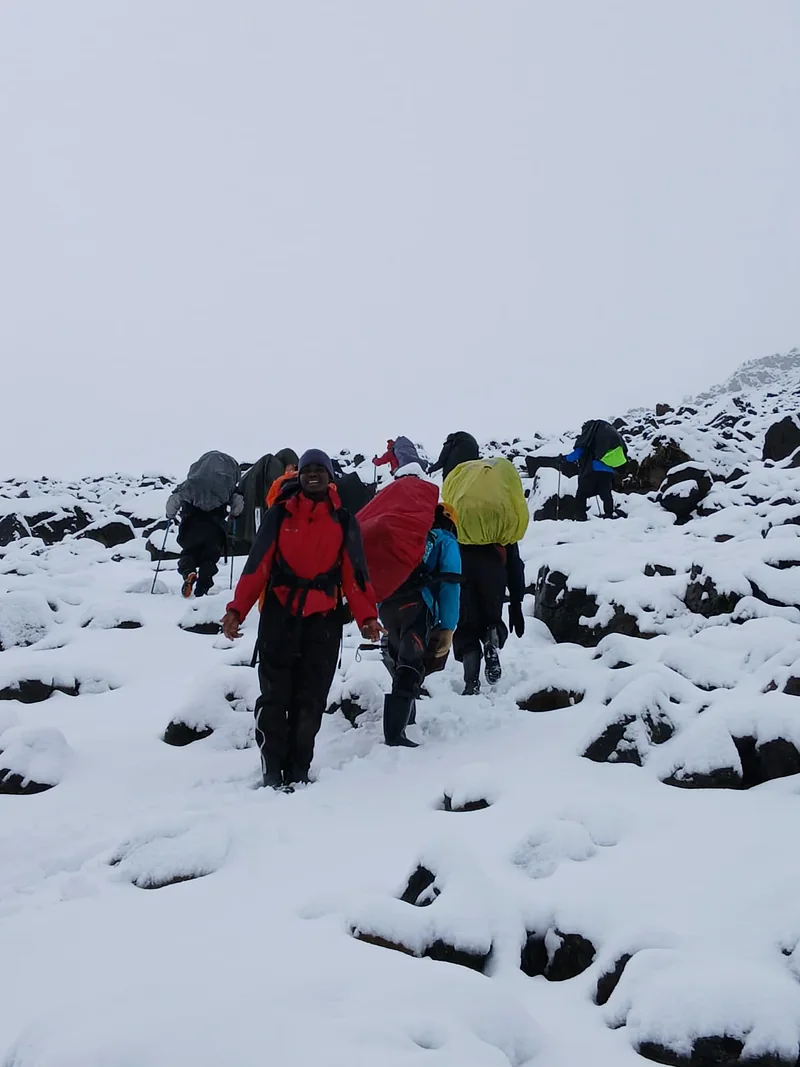 Mt Kenya
The ultimate Mount Kenya expedition: summit Nelion and cross the Gates of Mist to Batian.
There are four main hiking routes up Mount Kenya. Most treks combine two of them, going up one side and down the other, to traverse the mountain and see more of its scenery.
| Route | Best for | Highlights | Our trips |
|---|---|---|---|
| Sirimon | A gentle, gradual ascent with good acclimatisation | Liki and Mackinder valleys, views of the north faces of Batian and Nelion, bunkhouse camps | 5-day Sirimon |
| Chogoria | The most scenic hike, up or down | Gorges Valley, Lake Michaelson, Hall Tarns, the "Temple" cliffs | 5-day Sirimon–Chogoria, 6-day Chogoria–Sirimon |
| Naro Moru | The most direct route | Teleki Valley, Mackinder's Camp, a quick descent to the Met Station | 5-day Sirimon–Naro Moru |
| Burguret | A wild, little-used trail | Giant bamboo forest, Highland Castle cliffs, a full traverse down Chogoria | Burguret route |
For experienced rock climbers, Mount Kenya offers some of the best high-altitude climbing in Africa. The South-East Face of Nelion (crux around UIAA IV-) is the standard route. The North Face standard route leads to Batian and is best from June to early October. The ultimate challenge is crossing the Gates of Mist from Nelion to Batian. A qualified climbing guide joins you for every summit day.
Kenya has more to offer hikers than one mountain. Our 5-day Aberdares hiking safari takes you past Karura and Chania waterfalls to Satima summit in the Aberdare Ranges, a great warm-up before Mount Kenya. Many guests also combine a Mount Kenya climb with Mount Kilimanjaro in neighbouring Tanzania, or relax afterwards on a Kenya safari.
The key to a successful Mount Kenya climb is acclimatisation. Our itineraries include a rest or acclimatisation day at Shipton's Camp and a slow, steady pace. Before you go, read our Mount Kenya packing list and altitude sickness guide, and talk to us about your fitness and experience so we can recommend the right route.
Both. Reaching Point Lenana (4,985 m) is a high-altitude hike on established trails, with no ropes or technical skills needed. Climbing Nelion (5,188 m) or Batian (5,199 m) is technical rock climbing that needs rock-climbing and abseiling experience.
Not for Point Lenana, which is suitable for fit hikers. Nelion and Batian need rock-climbing and abseiling experience, and our technical itineraries include a qualified climbing guide.
Allow at least five days for a Point Lenana trek, which includes time to acclimatise. Six or seven days on a route such as Chogoria–Sirimon makes reaching the summit more comfortable. Technical climbs of Nelion and Batian usually take eight to ten days.
The driest and most reliable months are January to February and late June to October. The North Face of Batian is best climbed from June to early October.
Sirimon up and Chogoria down is our favourite combination for trekkers. It has a gradual ascent for acclimatisation and the most spectacular descent. Naro Moru is the quickest, and Burguret is for those who want a quieter, wilder trail.
Point Lenana is about 900 m lower than Kilimanjaro's Uhuru Peak, so the altitude is easier, but the terrain is often more rugged and the routes quieter. Many climbers use Mount Kenya as preparation for Kilimanjaro.
Our Mount Kenya climbs start and end in Nairobi, with transport to the park gate included. The drive to Nanyuki or Chogoria takes about four hours.
Warm layers, a down jacket, waterproofs, worn-in hiking boots, a warm sleeping bag and a head torch are essential. See our full Mount Kenya packing list and altitude advice on the Climbing Tips page.
Every itinerary can be tailored to your group, budget and fitness. Ask for a free quote.